
Reviewed · HILL OF CROSSES DAY TRIPS
Tour from Riga – Vilnius via Bauska, Rundale, The Hill of Crosses
The clever part of this trip is that it turns a necessary journey between Riga and Vilnius into a full day of sightseeing. Instead of taking a direct bus and missing the countryside, you stop at a ruined medieval castle, Latvia’s grandest palace, and Lithuania’s haunting Hill of Crosses. I like the efficient route and the chance to visit places that are awkward to reach without a car. I also like that your luggage rides with you, so you do not need to return to Riga after sightseeing.
The main tradeoff is time. This is an eight-hour transfer, sometimes closer to nine, with three stops and a firm arrival schedule. Most guides keep things moving well, but one poor guide experience involved sharp behavior about timing and seating. Ask questions early, watch the clock, and treat this as a practical sightseeing transfer rather than a relaxed private tour.
Key points to know before booking
- Three worthwhile stops in two countries: Visit Bauska Castle, Rundale Palace, and the Hill of Crosses while moving from Latvia to Lithuania.
- Rundale gets the longest visit: You have about two hours there, enough for the palace and some time for lunch.
- The Hill of Crosses is free: Your one-hour stop lets you walk among tens of thousands of crosses without an entrance charge.
- Admission costs extra at the Latvian sites: Castle and palace tickets are not included in the $114.65 price.
- The driver often doubles as your guide: Adam, Andrew, Andris, and Alex have led different departures, though the exact guide varies.
- A valid passport is essential: This international transfer crosses from Latvia into Lithuania and ends in Vilnius.
A smart Riga to Vilnius transfer, with sightseeing built in
At $114.65 per person, this trip is best judged against two separate costs: getting from Riga to Vilnius and arranging transport to three rural sights. A direct bus may be simpler, but it leaves Bauska, Rundale, and the Hill of Crosses out of your day. A private car would offer more freedom, yet would usually cost much more for one person or a couple.
This trip gives you a fixed route, a driver, and room for a reasonable amount of luggage. That combination is especially useful if you are changing cities during a Baltic itinerary and do not want to waste a day on transport. You pay separately for Bauska Castle and Rundale Palace, while the Hill of Crosses costs nothing to enter.
The group limit is 38 people, though actual departures can be much smaller. Some departures have used a comfortable minivan with only a handful of passengers, while another had eight people in a sedan-style vehicle. That means the vehicle and atmosphere may vary. A small group can feel almost like a private outing, but you should not book expecting a guaranteed eight-passenger van.
The trip runs on Tuesday, Thursday, and Saturday. Departure is at 9:00 a.m. from the Latvian Riflemen Monument in central Riga. The stated duration is about eight hours, but several schedules have taken around nine hours, particularly when traffic or city events affect the final drop-off.
More Hill of Crosses day trips from Riga
- 2 countries! Hill of Crosses, Rundale Palace and Bauska castle
★ 5.0 · 225 reviews - From Riga: Hill of Crosses & Jelgava Highlights
★ 5.0 · 149 reviews - 5,5 Hour Small Group Tour to Hill of Crosses from Riga
★ 5.0 · 127 reviews
Bauska Castle: one hour among ruins and restored rooms
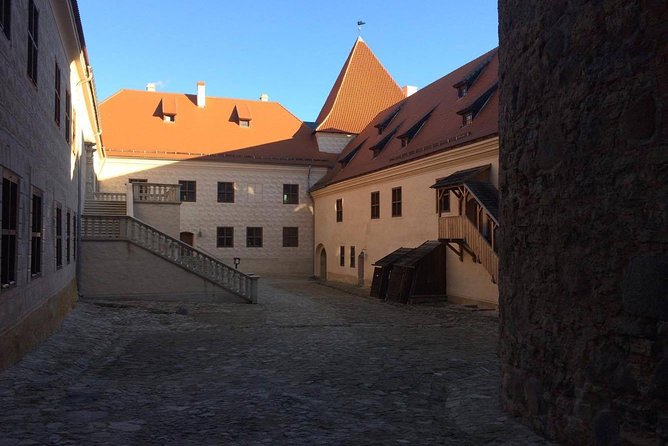
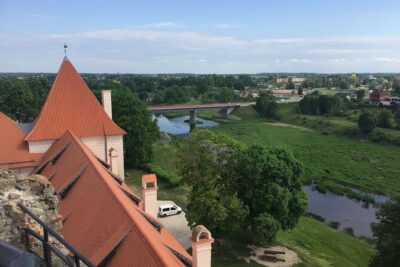
The first stop is Bauska Castle, set between the Musa and Memele rivers near Bauska. The site has two very different parts, and that contrast is what makes the visit worthwhile.
The older section is the ruined Livonian Order fortress, built in the mid-15th century. The newer section was a residence for the Duke of Courland, built at the end of the 16th century. Russian forces destroyed much of the castle complex during the Great Northern War, leaving the old fortress as a dramatic shell.
The ducal residence has been restored and now contains the Castle Museum. You can see how a defensive stronghold gave way to a more comfortable courtly home. The ruined walls nearby add the rougher, more atmospheric side of the story.
You have about one hour here, and that can feel tight if you want to explore every room and walk slowly around the site. One practical tip is to decide before arriving whether you want the museum interiors or the ruins and views to be your priority. The entrance fee is not included, so check your budget before the day begins.
Bauska is a good opening stop because it gives you a quick look at Latvia’s military and ducal past. It is not the largest attraction of the day, and the short visit may feel rushed, but it breaks up the road journey nicely.
Rundale Palace: two hours at Latvia’s Versailles
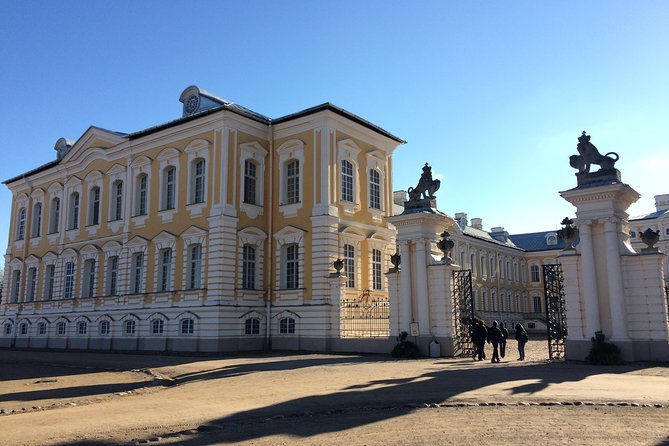
Rundale Palace is the grand stop, and I would give it your full attention. Located about 15 kilometers from the Latvian-Lithuanian border, the palace was built in the 18th century as a summer residence for Ernst Johann von Biron, Duke of Courland.
Its architect was Francesco Bartolomeo Rastrelli, the Italian designer also associated with Saint Petersburg’s Winter Palace. That connection gives you a useful sense of the building’s scale and style before you even enter. Rundale is not a small country manor. It was designed to display power, taste, and money.
The palace later had a less glamorous life. It served at different times as a hospital, an elementary school, and a grain store. Years of renovation have returned much of the building to its former purpose, and the result is now a museum with formal gardens.
Your two-hour stop is the most generous sightseeing period on the route. It should give you time to visit the palace and spend some time outside, though the exact balance depends on how quickly you move and how long you pause for food. Lunch can be taken here, which is useful because the tour does not include food or drinks.
Rundale is also the stop where admission costs matter most. Palace and garden tickets are not included, so factor them into the advertised price. Even so, the visit adds real value to the transfer. You are not simply looking at a building from the road. You get time to see the restored interiors and grounds at a sensible pace.
If you prefer grand rooms, design, and court history, Rundale may be your favorite stop. If you care more about unusual places and modern religious feeling, the Hill of Crosses may leave the stronger impression.
The Hill of Crosses: a free and unsettling final stop
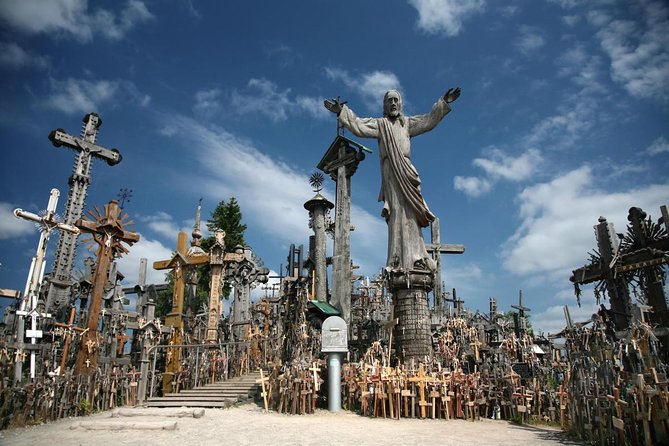
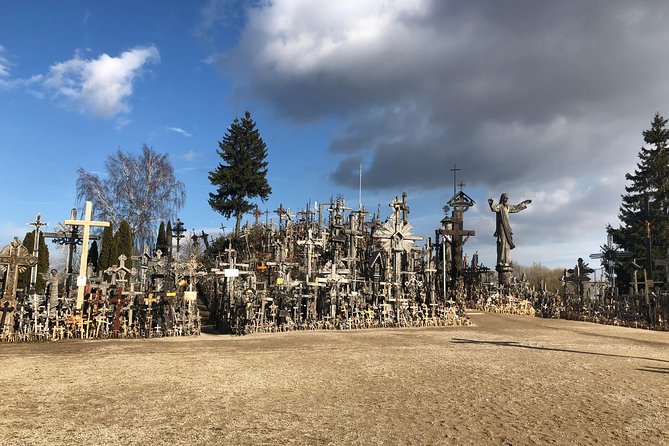
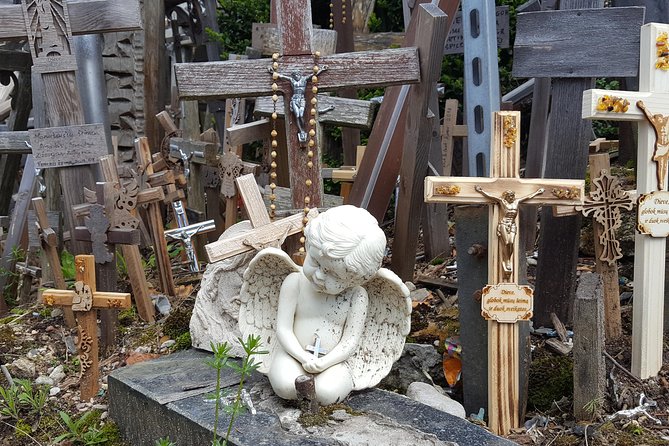
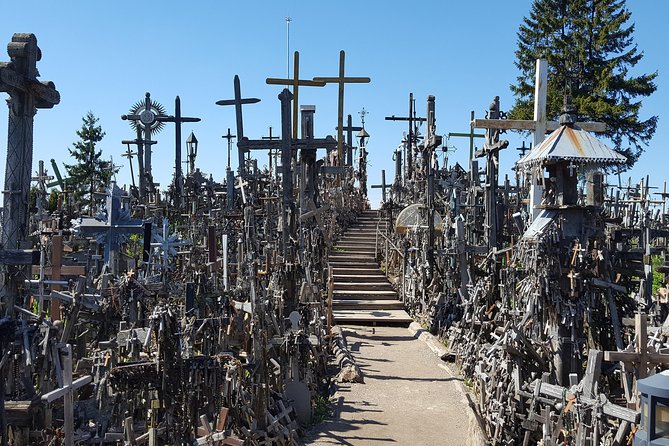
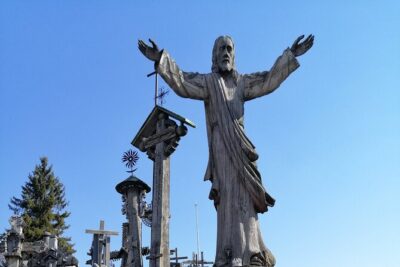
The Hill of Crosses, or Kryžių Kalnas, is about 16 kilometers from Šiauliai in northern Lithuania. It is a small hill covered with crosses, including large wooden crosses, small personal ones, rosaries, and devotional objects. The total has been described as more than 200,000 crosses.
This is not a polished monument with a single viewpoint. You walk among the crosses, following narrow paths and looking closely at the layers of objects around you. The effect is personal and a little eerie. Every cross suggests an act of faith, grief, thanks, or resistance.
The site has become a symbol of Lithuanian religious identity and opposition to occupation. Attempts to remove the crosses did not end the tradition. That history gives the stop weight beyond its unusual appearance.
You get about one hour here, which is enough to walk through the main area and take in the scale. The visit is free, making it a helpful counterbalance to the paid Latvian attractions. Wear shoes suited to uneven ground and allow yourself time to look rather than simply take a few photographs.
This is also the stop most likely to surprise you. Bauska and Rundale are carefully presented historic sites. The Hill of Crosses feels more spontaneous and human. I would not rush it, even though the vehicle schedule is firm.
More Rundale Palace and Bauska trips from Riga
- Group Day trip to Rundale Palace, Hill of Crosses & Bauska Castle
★ 5.0 · 92 reviews - Private Full-Day Trip to Hill of Crosses, Rundale Palace & Bauska
★ 5.0 · 36 reviews - Riga: Hill of Crosses & Guided Rundale Palace with Bauska Castle
★ 5.0 · 20 reviews - Hill of Crosses & Rundale Palace Tour
★ 5.0 · 18 reviews
What the driver-guide adds to the day
The driver is a major part of the experience. On different departures, guides named Adam, Andrew, Andris, and Alex have received praise for safe driving, clear instructions, historical explanations, humor, and practical help with luggage and boarding.
A good driver-guide tells you what each stop means, gives you a firm meeting time, and points out where to go when you get out. Adam, in particular, has been described as attentive about curbside drop-offs and helpful with food suggestions. Andris has provided spoken explanations throughout the route, especially when no printed guidebook was supplied.
The listing allows for either a guidebook or a live guide, so you should not assume that every departure includes the same level of commentary. Some guides give useful background at each site and answer questions about Latvia and Lithuania. Others may offer little information beyond the schedule.
The timing style also depends heavily on the person leading the trip. Most accounts describe a well-run day with clear instructions and enough time at each stop. One account describes a guide who was aggressive about seating, luggage access, and punctuality. Another says a guide yelled at people who were only a few minutes late, then apologized.
That is worth taking seriously. A schedule is necessary on a one-way trip, but the tone can affect the whole day. Keep your phone, passport, water, and anything you need during the ride with you, since access to the luggage compartment may be limited between stops.
The road journey, luggage, and group size
The transport is intended to be comfortable, with space for a reasonable amount of luggage. This matters because you are ending the day in another city, not returning to your starting point. You can take your bags with you and be dropped at Cathedral Square in Vilnius.
The start point is the Latvian Riflemen Monument, at Latviešu strēlnieku laukums 1 in central Riga. The end point is Cathedral Square in Vilnius. These central locations are practical for continuing your stay, though the final approach can be affected by city closures or major events. One departure had to adjust its Vilnius drop-off because of a marathon.
Vehicle size is not fixed in the information provided. The maximum group size is 38, but some outings have been much smaller, including four people in a minivan and a group of eight. A smaller group gives you a more personal ride. A fuller vehicle means less flexibility and possibly less room around your seat.
The experience is offered in English. A mobile ticket is provided, and confirmation arrives at booking. The tour is guaranteed to depart, which is useful when you are building a tight international itinerary.
The main drawbacks to consider
The day is efficient, not leisurely. Three stops, border travel, and a city-to-city transfer leave little room for wandering beyond the planned areas. If you want a long lunch, a slow palace visit, or extra time at the Hill of Crosses, this route may feel too structured.
Entrance tickets are another extra cost. The headline price does not cover Bauska Castle or Rundale Palace. Food and drinks are also excluded, although Rundale gives you an opportunity to find lunch during the two-hour stop.
The guide quality is not completely predictable. Names and styles vary by departure. You may get a warm, funny guide who explains the route and helps with every detail, or a more rigid guide who treats the schedule as the main event. The experience appears to work best when you are comfortable with fixed meeting times and direct instructions.
One isolated complaint concerned air conditioning not being available as expected. Since the vehicle can vary, do not assume every departure will have identical equipment. If climate control matters to you, confirm it before booking.
Who should book this Riga to Vilnius trip
I would choose this tour if you have limited time in Riga and want to see more of Latvia before moving on. It is also a strong choice for solo visitors, since transport, luggage handling, and the cross-border route are all organized for you.
Couples and small groups will like the chance to share the cost of a sightseeing transfer instead of arranging a private vehicle. You may also meet other people during the day, and the small-group departures can create a friendly atmosphere.
This trip suits you if you enjoy historic buildings, religious sites, and a brisk schedule. It is less suitable if you dislike fixed departure times, need a long private visit at each attraction, or want guaranteed access to a large coach with the same amenities every time.
Bring your passport, comfortable shoes, water, and a little local currency or a payment method for admission and food. Keep essentials in a day bag. Be back at the van when instructed, since the next stop and the Vilnius arrival depend on everyone moving on time.
Should you book it?
Book this experience if your priority is getting from Riga to Vilnius while seeing three major sights along the way. The price is reasonable for a cross-border transfer with luggage space and several hours of sightseeing, especially compared with arranging separate transport.
I would book it for the route, not for a guaranteed private-tour level of service. Rundale Palace and the Hill of Crosses are the strongest reasons to go, while Bauska adds a useful first stop even if one hour is not enough for a slow visit. Accept the firm schedule, budget for two entrance fees, and keep expectations flexible about the vehicle and guide.
With those conditions in mind, this is one of the more useful ways to connect the two Baltic capitals without giving up a full sightseeing day.
FAQ
Where does the tour start in Riga?
It starts at the Latvian Riflemen Monument, Latviešu strēlnieku laukums 1, in central Riga.
Where does the tour end in Vilnius?
The tour ends at Cathedral Square, Katedros aikštė, in Vilnius.
What time does the tour depart?
The scheduled departure time is 9:00 a.m.
How long does the experience take?
The stated duration is about eight hours, though some trips take around nine hours.
Which places does the tour visit?
The route stops at Bauska Castle, Rundale Palace Museum, and the Hill of Crosses in Lithuania.
Are entrance tickets included?
No. Admission to Bauska Castle and Rundale Palace is not included. Entry to the Hill of Crosses is free.
Is food included?
No. Food and drinks are not included, but you may have time to eat during the Rundale Palace stop.
Do I need a passport?
Yes. A current valid passport is required on the day of travel.
Which days does the tour operate?
The tour runs on Tuesday, Thursday, and Saturday.
Just added in Riga
- Tour from Riga to Vilnius: Bauska Castle, Rundale Palace and The Hill of Crosses★ 5.0 · 3 reviews
- Ultimate Art Nouveau Experience in Riga – Private Tour★ 5.0 · 4 reviews
- Group Tour: Sigulda and Turaida from Riga.★ 4.5 · 3 reviews
- Fun Walk Private Tour Around Central Market Riga★ 4.5 · 3 reviews
- Riga Medieval Dinner★ 4.0 · 4 reviews
- Private Snowmobile or ATV Safari with Riga Black Balsam Tasting★ 5.0 · 4 reviews
- Latvia’s Switzerland and Gauja National Park Tour★ 5.0 · 3 reviews
- Hiking Adventure in Gauja National Park – 7 Days★ 5.0 · 3 reviews
Hill of Crosses Day Trips, compared.
2 countries! Hill of Crosses, Rundale Palace and Bauska castle
Read our review →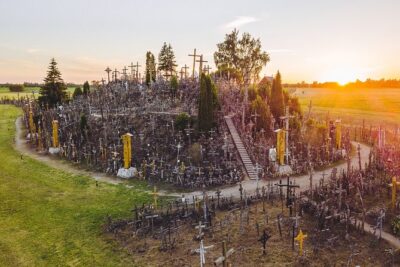
5,5 Hour Small Group Tour to Hill of Crosses from Riga
Read our review →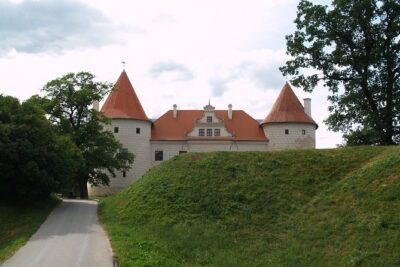
Group Day trip to Rundale Palace, Hill of Crosses & Bauska Castle
Read our review →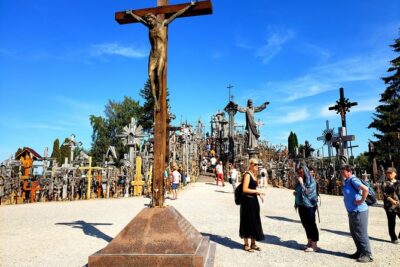
Private trip – Hill of Crosses / 2 countries in 1 day
Read our review →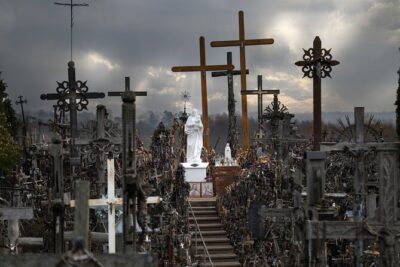
Private Full-Day Trip to Hill of Crosses, Rundale Palace & Bauska
Read our review →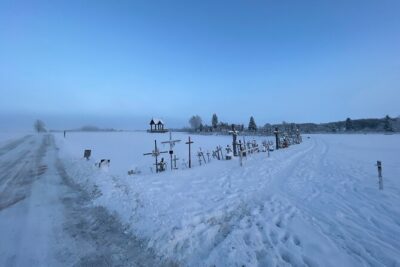
Hill of Crosses and Jelgava Gems Tour – 2 countries in 1 day
Read our review →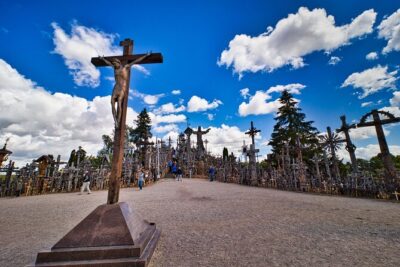
Hill of Crosses & Guided Rundale Palace with Bauska Castle
Read our review →Browse the lists this tour appears in